
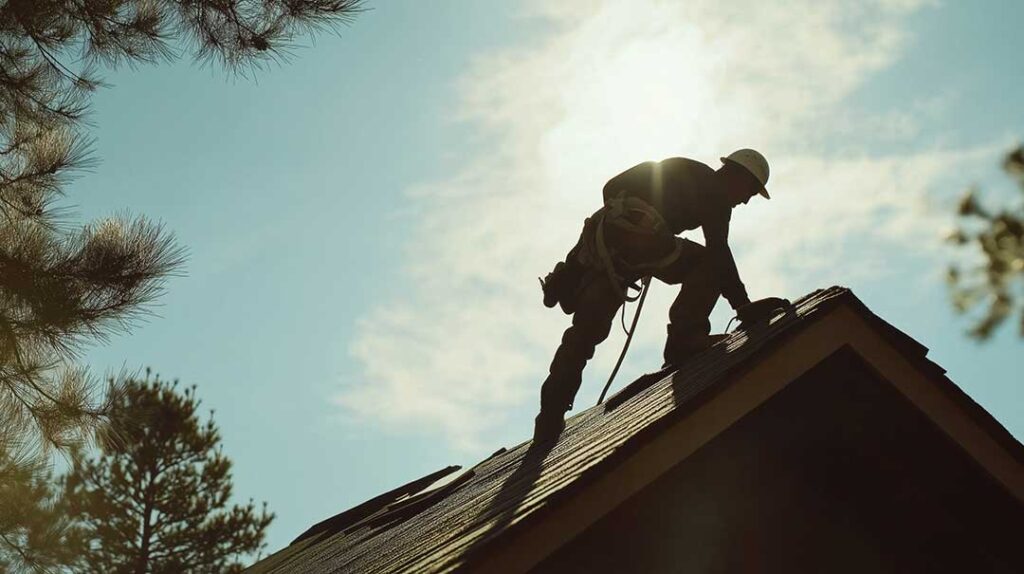
Replacing a roof creates more waste than shingles alone. Underlayment, flashing, drip edge, vents, wood, insulation, fasteners, and packaging may all need to be sorted before anything can be reused, recycled, or disposed of. For households in Williamson, NY, the correct process depends on the roofing material, its condition, and whether it may contain hazardous substances.
Can asphalt shingles be recycled?
Yes. Clean, separated asphalt shingles may be accepted at certain construction and demolition debris handling and recovery facilities. Recycled shingles can be processed for use in asphalt pavement and other construction materials. New York State recognizes uncontaminated asphalt roofing shingles and roofing paper as a specific construction-and-demolition material stream. ([dec.ny.gov](https://dec.ny.gov/environmental-protection/waste-management/solid-waste-management-facilities/construction-demolition-debris-processing?utm_source=openai))
Recycling is not the same as placing shingles in a household recycling bin. Most curbside programs are designed for containers, paper, and other common recyclables—not heavy roofing debris.
Before hauling shingles anywhere, confirm that the receiving facility accepts:
- Asphalt shingles from residential tear-offs
- Roofing felt or paper
- Mixed loads containing nails
- Small homeowner quantities
- Materials from roofs with more than one layer
Acceptance rules can vary, and some facilities may charge by weight or require advance arrangements.
Which roofing materials are commonly recyclable?
The most recyclable roofing material is usually asphalt shingle waste that has been kept separate from other debris. Metal roofing components may also have recycling value.
Asphalt shingles
Old asphalt shingles contain aggregate, asphalt binder, and reinforcing materials. After processing, the recovered material may be used in asphalt mixtures or other approved applications. Recycling markets are not available everywhere, so local acceptance must be confirmed first. ([fhwa.dot.gov](https://www.fhwa.dot.gov/pavement/recycling/ras.cfm?utm_source=openai))
Metal flashing and gutters
Aluminum, copper, and steel flashing, valleys, gutters, downspouts, and metal vents can often enter a scrap-metal recycling stream. Separate metal from shingles, wood, insulation, and plastic whenever possible.
Remove excessive roofing cement, attached wood, and other nonmetal materials. Small amounts of nails are commonly manageable in scrap metal, but facility requirements differ.
Wood sheathing and trim
Unpainted, untreated, and uncontaminated wood may be accepted separately by some construction-debris facilities. Rot-damaged, painted, glued, or chemically treated wood may have different handling requirements. New York regulations distinguish clean, unadulterated wood from other wood products. ([dec.ny.gov](https://dec.ny.gov/environmental-protection/waste-management/solid-waste-management-facilities/construction-demolition-debris-processing?utm_source=openai))
Reusable roofing materials
Unused bundles of shingles, spare ridge caps, unopened underlayment, metal panels, and intact flashing may be more useful for reuse than recycling. Reuse is practical only when the material is dry, undamaged, and clearly identified.
Do not reuse shingles that are brittle, curled, algae-covered, heavily weathered, or missing their adhesive strips. Reusing compromised roofing material can create leaks and premature failure.
How should old roofing materials be sorted?
Sorting at the work site makes recycling more likely and can reduce disposal costs. Use separate, stable piles or clearly marked containers for:
- Asphalt shingles and roofing paper
- Ferrous and nonferrous metal
- Clean wood
- Plastic packaging
- Insulation
- Glass
- General waste
- Suspected hazardous materials
Keep materials covered during rain. Wet roofing debris becomes heavier, harder to handle, and more likely to spread grit and contaminated runoff.
Shingles should be placed on a tarp or in a sturdy container rather than loose on the ground. Watch for protruding nails, especially after winter weather or wind has scattered roofing pieces around a property.
What should never go into a roofing recycling load?
Do not mix hazardous or questionable materials with ordinary shingles. A recycling facility may reject an entire load if it contains unacceptable waste.
Keep out:
- Friable asbestos-containing material
- Lead-based debris or heavily painted components
- Chemical containers
- Solvents, fuel, and roofing coatings
- Household garbage
- Appliances and electronics
- Tires
- Soil with visible contamination
- Wet insulation or mold-contaminated materials
- Unidentified debris from older roof assemblies
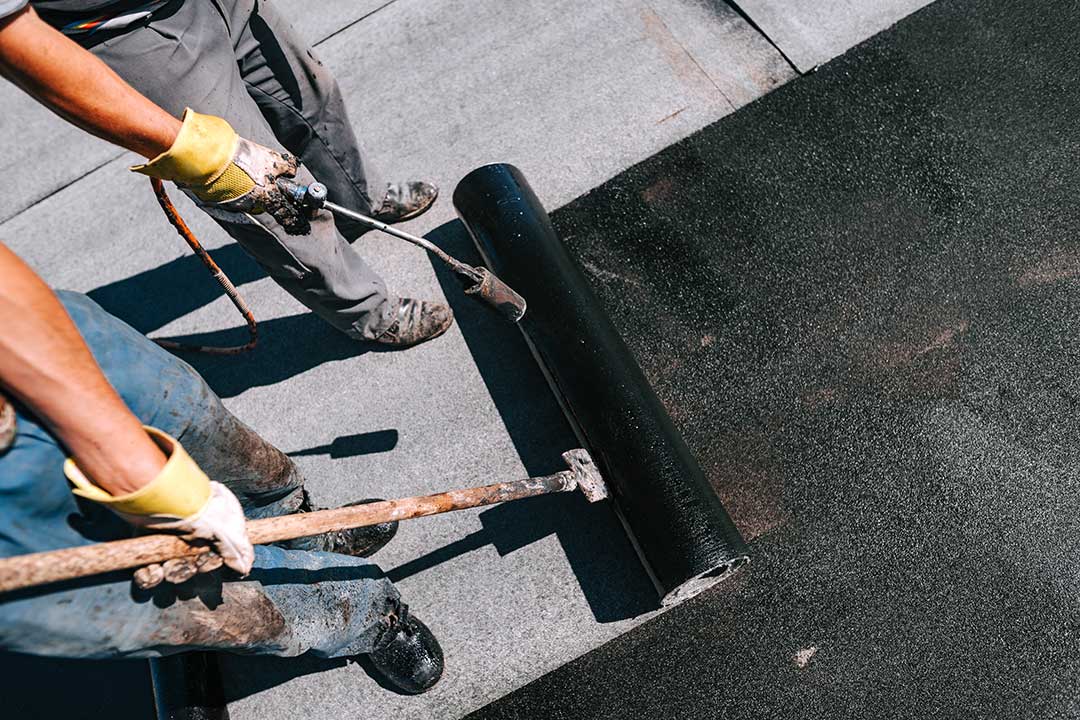
New York State rules specifically exclude friable asbestos-containing waste from ordinary construction-and-demolition debris facilities. ([dec.ny.gov](https://dec.ny.gov/environmental-protection/waste-management/solid-waste-management-facilities/construction-demolition-debris-processing?utm_source=openai))
If an older roof may contain asbestos-containing shingles, underlayment, cement, or flashing-related materials, stop before disturbing it further. Testing and regulated handling may be required. Asbestos risk cannot be determined reliably from appearance alone.
Are nails a problem when recycling shingles?
Usually, roofing nails are expected in tear-off shingles, but the receiving facility should be asked about its requirements. Recycling plants use magnets and other processing equipment to separate ferrous metal after the shingles are crushed.
Loose nails around a work area are still a safety concern. Wear puncture-resistant footwear and gloves, use a magnetic nail sweeper, and inspect driveways, lawns, and walkways after the work is complete. In the freeze-thaw conditions common in the region, nails and sharp fragments can become hidden under snow, leaves, or gravel.
Can old roofing materials go to a town cleanup or drop-off event?
Not automatically. Seasonal cleanup events may accept selected household materials, but roofing debris may be excluded, limited by quantity, or restricted to residents rather than contractors. The Town of Williamson publishes current garbage and recycling information through its official website, and event rules can change from year to year. ([williamsonny.gov](https://williamsonny.gov/?utm_source=openai))
Check the current notice before loading a vehicle. Confirm:
- Whether roofing shingles are accepted
- Whether the event is limited to household-generated waste
- Whether a resident identification requirement applies
- Whether trailers or large quantities are prohibited
- Whether metal, wood, or roofing paper must be separated
- Whether there are seasonal dates or appointment requirements
Never assume that a general recycling drop-off accepts construction debris.
What is the best way to prepare a load for recycling?
A well-prepared load is dry, source-separated, and free of obvious contamination.
1. Remove loose garbage and bulky nonroofing materials.
2. Separate metal, wood, shingles, and packaging.
3. Keep suspected asbestos-containing materials isolated and undisturbed.
4. Secure the load with a tarp and tie-downs.
5. Call the receiving facility before leaving.
6. Ask about accepted materials, fees, quantity limits, and unloading procedures.
7. Keep receipts or disposal records for major renovation work.
The New York State Department of Environmental Conservation maintains information about registered construction-and-demolition debris handling and recovery facilities, including facilities that manage asphalt roofing shingles and roofing paper. ([dec.ny.gov](https://dec.ny.gov/regulatory/permits-licenses/waste-management-composting-recycling-permits?utm_source=openai))
What if recycling is not available?
If no approved recycling outlet accepts the material, use a legal disposal facility that is authorized to receive roofing debris. Do not burn shingles, bury them on the property, leave them beside a public road, or place them in an ordinary recycling container.
Burning asphalt shingles can release harmful smoke and leaves nails, fiberglass, and other residue behind. Informal dumping can also create drainage, wildlife, and property hazards.
For a roof replacement in a rural or semi-rural setting, keeping debris contained is especially important. Wind can carry lightweight underlayment, insulation, and packaging into fields, ditches, and nearby waterways. Prompt cleanup protects the property and prevents sharp debris from becoming a seasonal hazard.
Sources:
- New York State Department of Environmental Conservation guidance on construction-and-demolition debris facilities and accepted roofing materials. ([dec.ny.gov](https://dec.ny.gov/environmental-protection/waste-management/solid-waste-management-facilities/construction-demolition-debris-processing?utm_source=openai))
- New York State Department of Environmental Conservation permit information for uncontaminated asphalt roofing shingles and roofing paper. ([dec.ny.gov](https://dec.ny.gov/regulatory/permits-licenses/waste-management-composting-recycling-permits?utm_source=openai))
- Federal Highway Administration information on reclaimed asphalt shingles in pavement materials. ([fhwa.dot.gov](https://www.fhwa.dot.gov/pavement/recycling/ras.cfm?utm_source=openai))
- Official Town of Williamson garbage and recycling information. ([williamsonny.gov](https://williamsonny.gov/?utm_source=openai))
