
Why Do Moss and Algae Grow on Roofs in Williamson, NY?
Moss and algae frequently appear on the roofs of local homes due to the region’s humid summers, variable precipitation, and abundant tree coverage. These conditions provide shaded, damp environments ideal for spores to take hold and spread, particularly on north-facing slopes. In the community, older homes with mature trees or limited sun exposure often experience recurring roof growths.
Unlike mold, moss and algae are not immediately hazardous to health, but over time they trap moisture and can degrade roofing material, leading to leaks or reduced lifespan of shingles.
Are Moss and Algae Dangerous for Roofs?
Moss and algae are unlikely to cause immediate roof failure in Williamson households, but they do create long-term risks. Moss acts like a sponge, holding water against roofing material. In freeze-thaw cycles typical of upstate winters, this trapped moisture can cause shingles to crack or lift. Algae creates dark stains, which are mostly cosmetic, but can make shingles heat up more in direct sunlight, leading to possible premature aging.
Neglecting moss and algae can eventually lead to:
- Curling or detachment of shingles
- Clogged gutters from falling debris
- Increased likelihood of leaks or wood rot in roof decks
- Compromised curb appeal
How Can Residents Safely Remove Moss or Algae From Their Roofs?
The safest way for residents to address minor moss or algae is through gentle cleaning methods that avoid damaging roofing materials. Scrubbing is rarely advised, as Williamson’s common asphalt shingles can lose granules easily.
For most homes, start with these steps:
1. Use a garden hose with a gentle spray to rinse away loose growth—do not use a pressure washer as it can dislodge shingles.
2. Mix a solution of equal parts water and plain white vinegar, or water with a small amount of non-chlorine laundry bleach. Apply using a pump sprayer on a cool, overcast day.
3. Allow the solution to sit for 15–20 minutes, then rinse thoroughly with water. Use caution not to saturate attic spaces or siding.
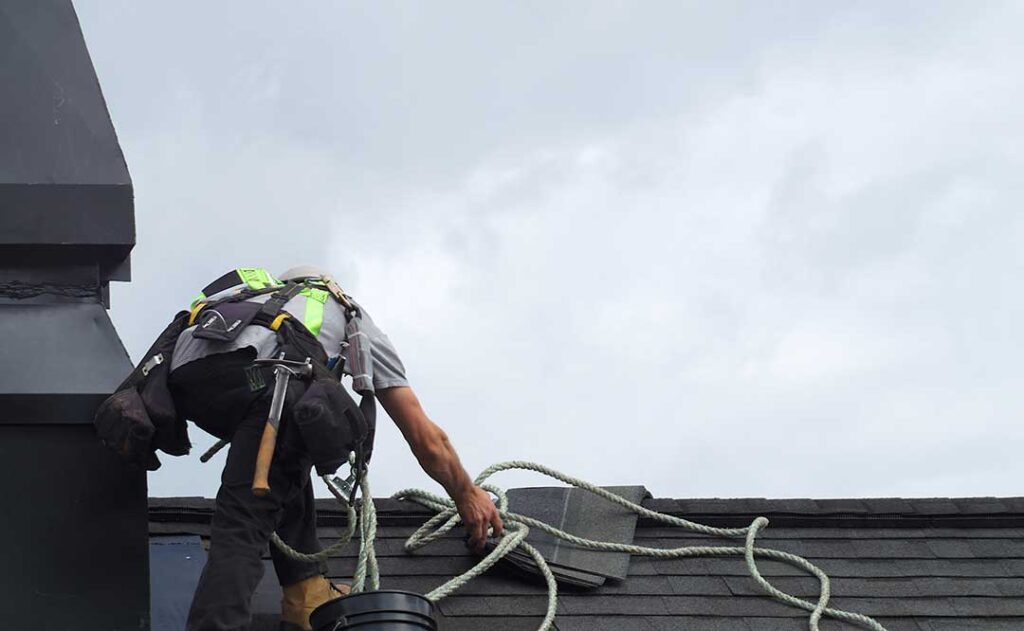
Take extra caution with steep or high rooftops common in older areas of the city; cleaning while standing on the ground with a roof-safe sprayer is least risky. If roof access is needed, use a sturdy ladder and secure safety gear. For larger or persistent infestations, consult local building recommendations before attempting more aggressive chemical treatments.
What Are the Best Methods to Prevent Roof Moss and Algae Growth?
Prevention centers on reducing roof moisture and increasing sunlight exposure. In Williamson, the mix of wooded neighborhoods and humid conditions means proactive care pays off in the long run.
Useful strategies include:
- Trim back tree branches to reduce shade and let the roof dry quickly after rain or dew.
- Regularly clear debris like leaves and pine needles from the roof and gutters, especially after autumn storms or windy weather.
- Ensure attic and roof ventilation is adequate, as poor ventilation increases internal and external roof moisture.
Metal strips of zinc or copper installed near the roof ridge gradually release small amounts of metal ions, which naturally inhibit growths when rainwater washes over them. These can be helpful in persistent cases.
Should Chemical Treatments Be Used on Local Roofs?
Chemical treatments are widely available, but residents should weigh their use carefully. In most cases, mild homemade solutions are sufficient for light to moderate moss and algae. Many commercial treatments contain strong biocides that can run off into local soils or gardens in the city when rinsed away.
Things to consider:
- Avoid applying chemicals immediately before or after rain to reduce runoff.
- Check that products used are labeled safe for roof material and for local plants.
- Overuse can discolor or degrade shingles, particularly historic types found in older neighborhoods.
Williamson area households are encouraged to use chemical approaches sparingly and opt for less aggressive solutions where possible—this helps protect nearby landscaping and local waterways.
When Is Professional Help Necessary for Roof Growth Issues?
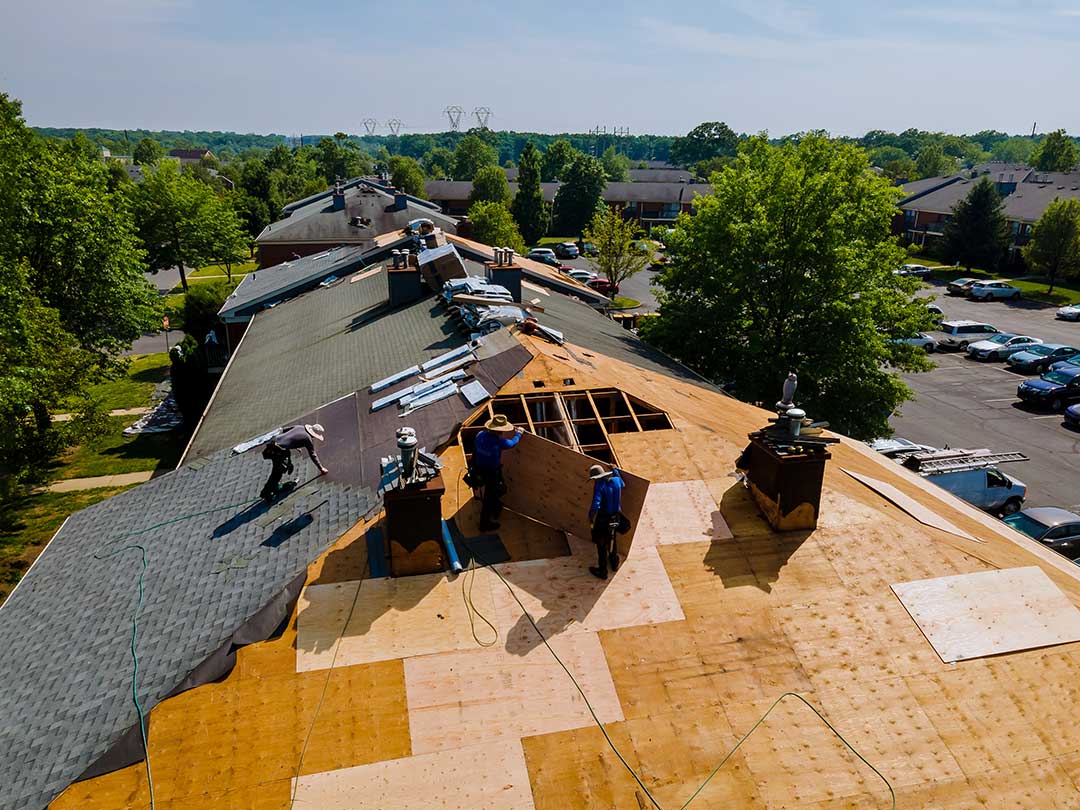
While most roof growths can be managed directly by homeowners, there are situations where it’s safer to ask for help. These include:
- Very steep or multi-story roofs
- Damage to roofing materials that could lead to leaks
- Uncertainty about the structure’s safety or presence of extensive rot
- Persistent, extensive moss that resists repeat cleaning
For homes in the city with unique architectural profiles or older roofing materials, improperly performed cleaning can sometimes do more harm than good.
How Do Local Weather and Seasonal Patterns Affect Moss and Algae Problems?
Williamson’s climate creates peak growth periods in late spring through mid-autumn, when humidity and rainfall are consistent. However, roof growths can remain dormant through dry spells and then recover rapidly with the return of wet weather.
After heavy winter snow, melting and freeze-thaw cycles can worsen existing issues. Regular spring inspections catch problems early, and autumn maintenance helps prepare roofs for the next wet season.
Residents often find algae streaks more prominent on north-facing or tree-shaded rooftops, while moss may appear most often after periods of frequent rain or fog. Timely upkeep and monitoring, especially during periods of seasonal humidity or after extended storms, limit the risk of severe damage.
Are There Any Common Misunderstandings About Roof Moss or Algae?
A few myths circulate in the community:
- Moss and algae will “die out” or go away on their own—most growths will persist or return without intervention.
- Power washing is effective for cleaning—while tempting, it often strips granules from shingles and voids warranties.
- All discoloration must mean immediate replacement—cosmetic algae staining can typically be removed or reduced with gentle care.
The best results come from regular roof checks, gentle cleaning, and preventive maintenance tailored to Williamson’s tree-lined neighborhoods and changing seasons.
