
How Do Solar Panels Affect Your Roof in Williamson, NY?
Solar panels can be a smart addition for homeowners looking to reduce utility bills or environmental impact, but installing them is a major change to your roof. In Williamson, NY, local weather, roof types, and building norms all affect how well rooftop solar will work for your home. Understanding these impacts ahead of time can help prevent problems and maximize the benefits of your solar investment.
Rooftop solar systems require secure mounting. This usually means drilling into the roof structure to attach brackets and racks that hold the panels. Local homeowners often have asphalt shingle roofs, but some properties have metal, slate, or older wood shake, each with different vulnerabilities. Harsh winters, heavy snow load, humid summers, and wind-driven rain in Williamson make it especially important to assess how solar mounting hardware will interact with your exact roof structure and age.
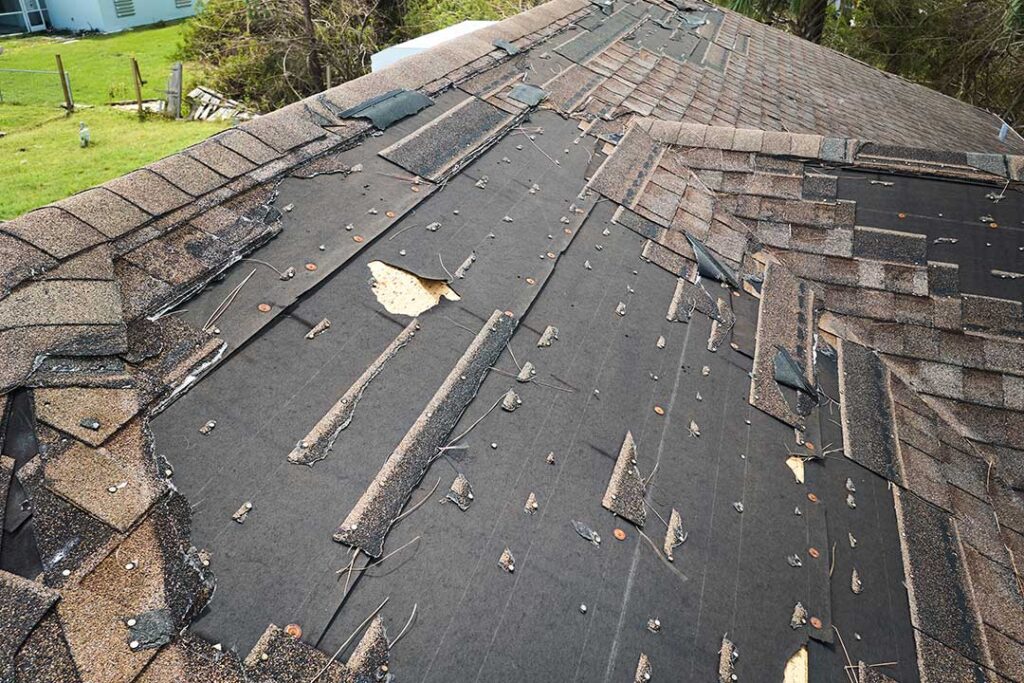
Aged or damaged roofing should be addressed before installing solar to avoid leaks or costly repairs later. For many in the community, this means considering roof replacement or improvements first—especially if your roof is more than 15-20 years old or shows signs of curling, cracking shingles, or ice dam issues.
What Should Local Residents Know About Roof Suitability for Solar?
Not all roofs are equally well-suited for solar panels. The roof angle, shading, structure, and size can affect whether solar will be feasible at your home.
Direct answer:
In areas like Williamson, solar works best on south-facing roofs with minimal shade and sufficient strength to support added weight. Small, shaded, or steep roofs may not be ideal.
Key details include:
- Roof orientation: South-facing sections usually generate the most power here, but east and west faces can also be serviceable for some homes.
- Roof pitch: A slope of 30–40 degrees is optimal, but moderate variations can still work well.
- Shade issues: Tall trees, chimneys, or multi-story neighbors can reduce output significantly. Assess shade over the course of the year, as seasonal foliage in local yards will change available sunlight from summer to winter.
- Roof age and material: Newer asphalt roofs are often easiest, while older slate or tile roofs may require more careful planning or reinforcement.
Area homeowners often underestimate how partial shading or less-than-optimal angles might impact performance. Each property’s solar potential is unique, and local building codes may also limit or specify installation details.
Will Installing Solar Panels Cause Leaks or Damage the Roof?
Adding solar panels, when done properly, should not increase the risk of roof leaks or damage. That said, improper installation, rushed work on older roofs, or attempts to mount panels onto unsuitable surfaces can cause water intrusion—especially during freeze-thaw cycles typical in Williamson winters.
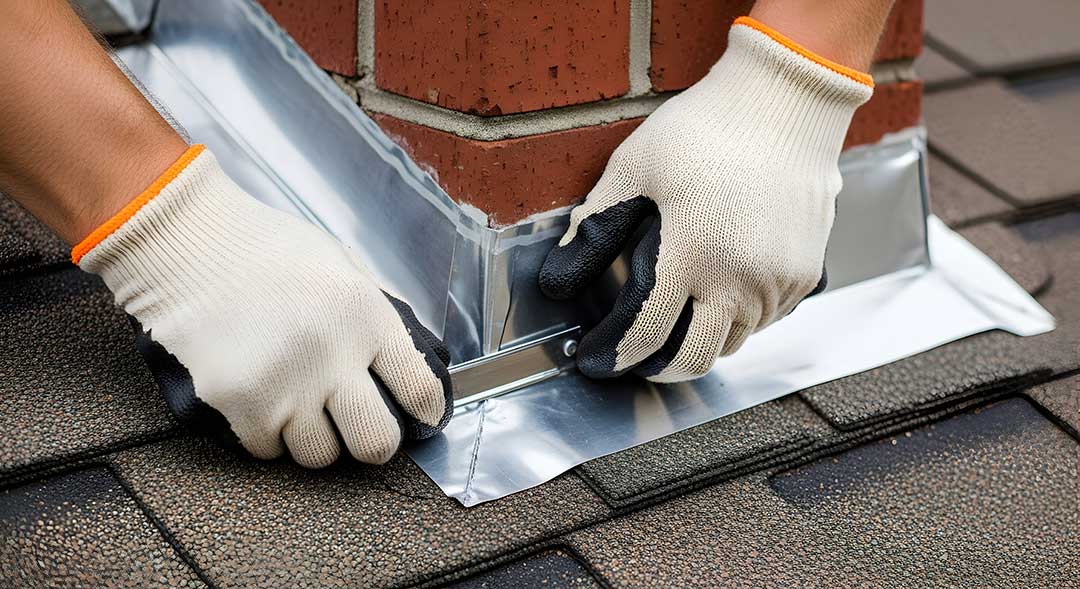
All penetration points (where brackets bolt through shingles and underlayment into rafters) need to be securely flashed and sealed. Area homes often use underlayment and ice/water shield, but the extra roof hardware makes flawless waterproofing essential. Tracking roof condition both before and after installation is the best defense against water issues.
Homeowners should watch for these signs after a new installation:
- New damp spots or stains in the attic or on ceilings after rain.
- Loose panels or rattling sounds during high winds.
- Accumulated debris trapped around panel mounts, which can trap water and accelerate wear.
Annual inspections (either self-directed or, if safety is a concern, with the help of someone trained) are recommended. Some solar mounting systems are designed specifically for snowy climates like Williamson, allowing better snow shedding and leaving critical drainage paths open.
How Do Local Weather and Seasonal Conditions Impact Solar Panel Performance?
Williamson experiences cold, snowy winters and variable weather throughout the year. While snow and overcast days slow solar output temporarily, panels are built to withstand these forces and can actually work efficiently in cold conditions.
Quick answer:
Winter snow will temporarily reduce production, but panels typically resume full function after melting or removal, and cold temps increase the efficiency of photovoltaic materials.
Consider:
- Snow load: Panels must be engineered and installed to handle heavy snow. In this region, proper tilt, hardware rated for winter conditions, and regular visual checks (from the ground when possible) help avoid over-accumulation.
- Wind exposure: Panel mounts should account for high winds off Lake Ontario and open field exposure common in parts of Williamson.
- Ice buildup and leaks: Freeze-thaw cycles can test roof penetrations and flashing, especially for older roofs.
Residents should avoid using metal tools or climbing on their roof to remove snow, as this can damage both the roof and the panels. Most snow slides off panels naturally during sunny thaw cycles.
Do Local Rules or Permit Requirements Affect Solar Roof Projects?
Installing rooftop solar in Williamson requires compliance with local building codes, zoning regulations, and permitting processes. These are in place for safety, fire protection, and to preserve the integrity of older homes and neighborhoods.
Directly:
Permits are required for solar panel installations, and the city may have rules about roof load, setback from ridges or edges, and electrical safety.
Before starting, residents should:
- Check with the local building department regarding application steps and structural requirements
- Review relevant guidelines if your home is in a historic district or subject to local review
- Understand that your homeowner insurance and utility interconnection may also have procedures or forms to complete
Local code enforcement helps ensure that installations are safe, reliable, and do not compromise the roof’s weatherproofing or fire safety features.
What Maintenance Do Roofs Need After Solar Panels Are Installed?
Solar systems are typically low-maintenance, but the underlying roof still needs periodic checks. Once panels are in place, access can be more difficult, so preemptive roof repairs and annual reviews become more important.
Key points:
- Trim trees and clear debris to prevent buildup and shade.
- Monitor for loose mounting hardware after windstorms.
- Check for moss, algae, or drainage issues near and under panel locations—these are fairly common in the local humid spring and summer climate.
- If any roof section that’s covered by panels needs repairs, solar arrays may need temporary removal and reinstallation, so syncing roof and solar lifespans is wise.
Should Roof Repairs or Replacement Be Timed With Solar Installation?
If your roof is nearing the end of its useful life, it’s usually recommended to complete needed repair or replacement before adding solar panels.
Quick takeaway:
Replacing an older roof at the time of solar installation can help prevent the complicated and costly process of temporarily removing and reinstalling panels for future roof work.
Common scenario in Williamson:
- Asphalt roofs typically last 18–25 years in this region; if yours is aging, timing both projects together minimizes future disruption and ensures the roof will hold up under solar mounts for decades to come.
