
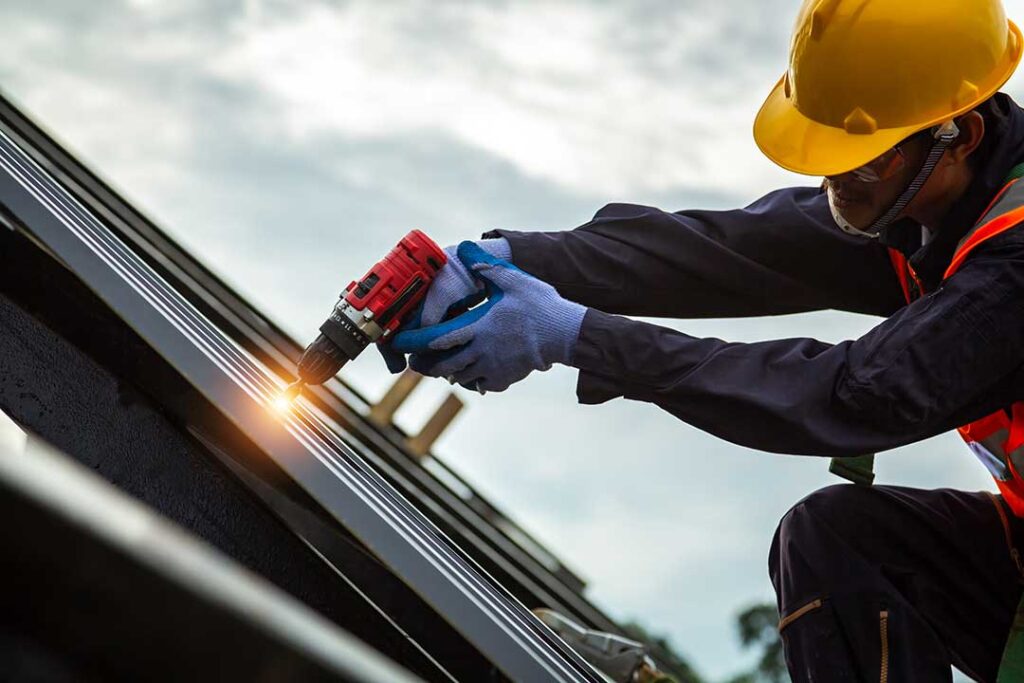
Why Does Your Roof Need Regular Inspection?
Roof inspections help spot small issues before they become larger and more expensive repairs. For most homes in Williamson, roofs face year-round cycles of precipitation, freezing temperatures, strong sun, and persistent wind. That constant exposure means even well-built roofs and newer materials can hide wear or developing problems.
Regular inspection helps catch missing shingles, cracked flashing, moss growth, and other concerns while they are still manageable. In more severe cases—such as leaks after a storm or ice damming in winter—spotting trouble early minimizes water damage to your attic, insulation, drywall, and belongings.
How Often Should a Roof Be Checked?
Most Williamson households should consider an inspection at least every year or two, but timing can depend on the age, type, and previous history of your roof. Here are some local context considerations:
- New asphalt shingle roofs may only require inspection every other year for the first five years.
- Older or previously repaired roofs should be checked at least annually, particularly after stretches of severe weather.
- Metal and slate roofs last longer but benefit from a visual check for shifting panels, flashing issues, and rust spots every 1-2 years.
Flat or low-slope roofs typical on some barn outbuildings and garages in the area need extra attention, especially after freeze-thaw cycles and heavy snowfall. Tree cover can also speed up moss and lichen growth, shortening the time between necessary inspections.
Does Williamson’s Climate Affect Inspection Timing?
Williamson’s climate—with lake effect snows, seasonal storms, gusty winds, humid summers, and the full range of upstate weather—directly affects your roof’s lifespan.
Inspections tend to be most productive right after winter and again late in summer. Here’s why:
- Post-winter (March–April): Checking after the last snowmelt reveals any damage from ice dams, heavy snow loads, and temperature swings that can crack shingles or force water under flashing.
- Late summer (August–September): Inspections during dry weather mean moss and algae are easier to spot, and any sun damage or loose materials can be fixed before fall rain and winter snow return.
Sudden storms or high winds can justify a prompt inspection even if it’s “off-schedule.” Williamson’s spring and summer thunderstorms may loosen shingles without causing obvious damage visible from the ground.
What Are the Signs That Prompt Immediate Inspection?
Sometimes, conditions require extra vigilance, regardless of when your last checkup was.
Visual signs noticeable from the ground (or upper windows) include:
- Multiple missing or curled shingles
- Rust streaks or visible gaps at flashing around chimneys or vents
- Sagging spots or dips in the roofline
- Large moss patches or black streaks from algae
- Granule loss visible in downspouts after rain
Inside your attic or top floor, look for:
- New water stains or damp insulation
- Musty odors or visible mold near the roof deck
- Sunlight entering from pinholes or gaps
If you spot any of these issues, arranging for an evaluation sooner is wise—even if your previous inspection was recent.
Are There Events During Homeownership That Should Trigger a Roof Check?
Certain events make roof inspection especially relevant for local residents, including:
- After hail, windstorm, or major tree limb impact—damage may not be obvious until leaks develop
- Prior to listing or buying a home—as undiscovered issues impact value and insurance
- Before major home renovations—if adding insulation, solar panels, or structures that affect the roof
- After any suspected animal activity—raccoons and squirrels sometimes force entry at weak spots
Documentation from a recent inspection can also be valuable for insurance purposes following storm damage or for peace of mind during routine home maintenance.
Can You Safely Inspect Your Roof Yourself in Williamson?
A visual check from the ground or via binoculars is a safe DIY habit for most area homeowners. Climbing onto the roof, especially in icy or windy conditions, is never recommended without proper safety equipment and experience. Gutters, overhangs, and old ladder setups can be particularly hazardous.
Residents of Williamson often have steeply pitched or aging roofs due to the area’s established housing stock. For many, a reputable third-party roof evaluation offers peace of mind—especially after severe weather or if you are uncertain about what issues to look for.
What Common Misconceptions Do Homeowners in Williamson Have About Roof Inspection Timing?
Residents sometimes assume that if there’s no visible leak, their roof is fine. However, by the time water enters living space, the underlying problem can be much more advanced. Similarly, many people believe a warranty means they don’t need regular inspections, when in fact most manufacturer and insurance policies require documentation of routine maintenance.
Another local misconception is that moss or algae is just a cosmetic issue. In humid, shaded parts of Williamson, unchecked moss growth can allow moisture to penetrate shingles and quickly accelerate deterioration.
What Happens During a Typical Inspection?
A thorough checkup involves more than a quick glance at the shingles. A standard process typically includes:
- Assessment of shingle condition and alignment
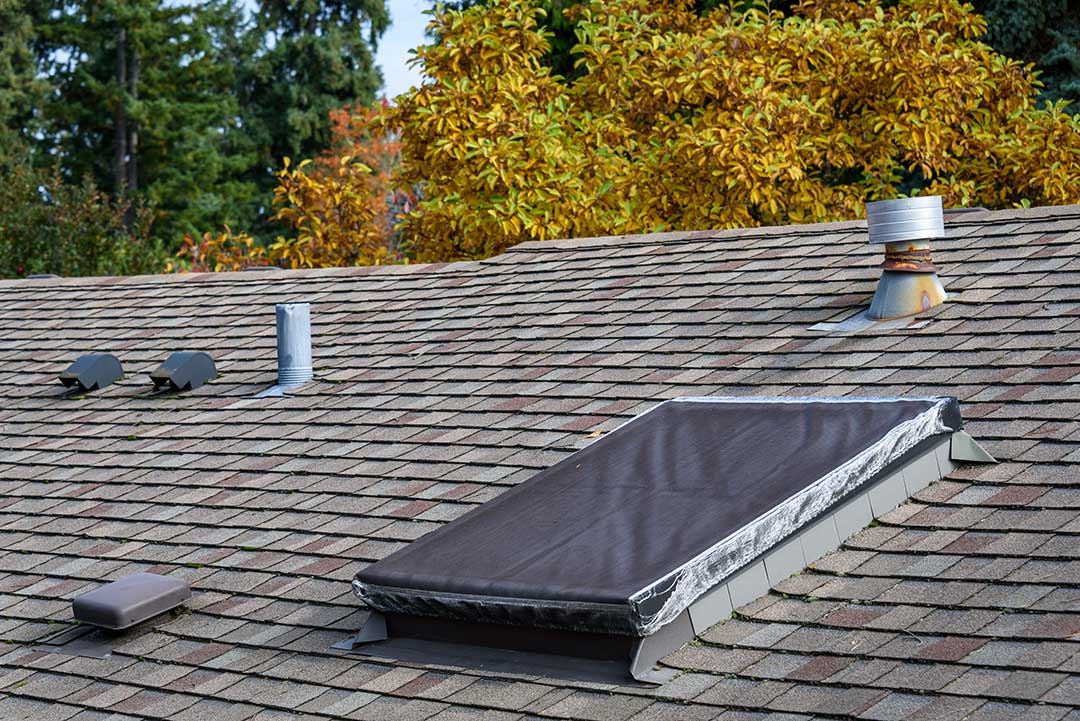
- Checking flashing, vents, skylights, and peak/ridge caps for gaps or rust
- Inspecting gutter attachments, fascia boards, and nearby tree branches
- Reviewing attic ventilation and evidence of internal moisture
- Looking for signs of pests or animal damage
Documentation, including photos and written notes, helps track any changes or developing issues over time and supports effective home maintenance.
