
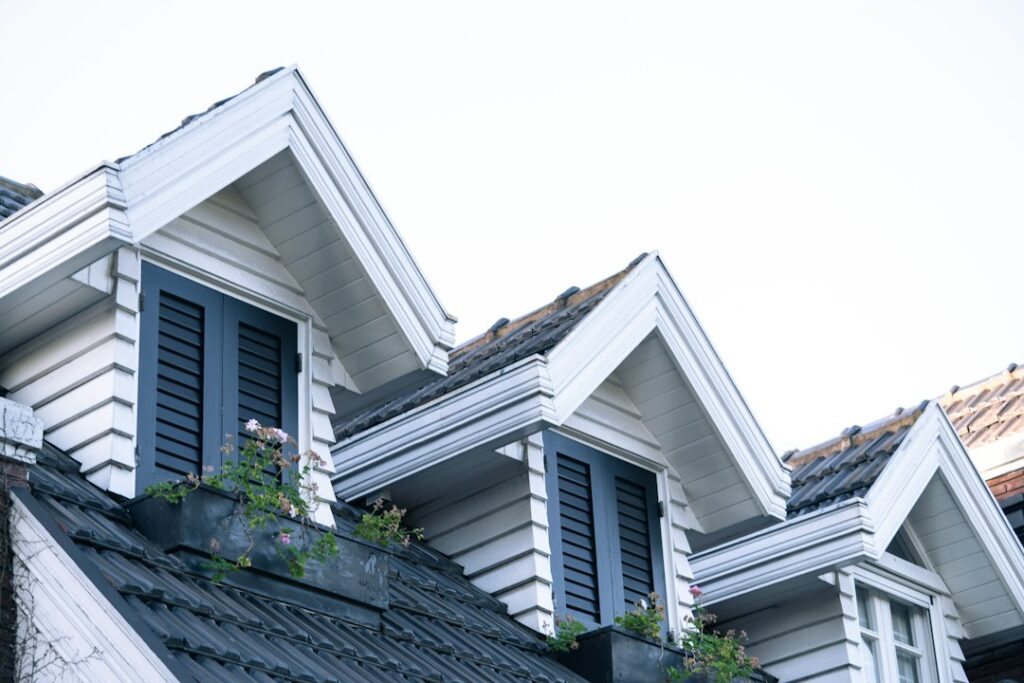
A new roof can support a home’s value by improving condition, reducing the risk of water damage, and making the property easier for buyers to finance and insure. It does not always return its full cost dollar for dollar, but it can protect the value a home already has and prevent an aging roof from becoming a reason for buyers to negotiate sharply.
Does a new roof increase a home’s value?
Usually, a new roof improves marketability more reliably than it creates a matching increase in sale price. Buyers tend to place greater value on a home that has fewer major repairs ahead, especially when the roof is one of the older or more visible components.
A roof replacement can affect value in several ways:
- It improves the home’s overall condition rating.
- It reduces concerns about leaks, interior staining, mold, and damaged insulation.
- It may make insurance and mortgage approval easier.
- It gives buyers more confidence that the home has been maintained.
- It can reduce the likelihood of inspection-related repair demands.
The financial effect depends on the age and condition of the existing roof, the quality of the replacement, the home’s design, and the expectations of nearby buyers. A new roof on a well-maintained home may help preserve a strong asking price. A new roof on a property with foundation, drainage, electrical, or heating problems may have a more limited effect because buyers evaluate the entire house.
Why does roof condition matter so much to buyers?
A roof protects nearly every other part of the home. Once water enters through failed shingles, exposed fasteners, damaged flashing, or deteriorated valleys, the resulting repairs can extend beyond the roof itself.
Potential problems include:
- Rot in roof decking, rafters, or wall framing
- Damaged attic insulation
- Staining on ceilings and walls
- Peeling paint or damaged drywall
- Moisture-related odors
- Electrical hazards near wet areas
- Deterioration around chimneys, skylights, and roof penetrations
Buyers may not be able to see every problem during a showing, but they know that roof repairs can become expensive quickly. An aging roof can therefore create uncertainty. Some buyers respond by lowering their offer, while others may avoid the property altogether.
In Williamson, seasonal changes make roof condition especially relevant. Freeze-and-thaw cycles, snow, wind, ice buildup, heavy rain, and summer humidity all place repeated stress on roofing materials and drainage systems. A roof that appears acceptable from the ground may still have worn flashing, lifted shingles, or weak areas beneath the surface.
Is a new roof better than a roof repair for home value?
Not always. A targeted repair may be the more sensible choice when the roof is generally sound and the problem is limited to a small area. Replacing damaged flashing, sealing a penetration, correcting a ventilation issue, or repairing a localized leak can preserve the roof’s useful life without the cost of a full replacement.
A full replacement is more likely to affect market value when:
- The roof is near the end of its expected service life.
- Shingles are brittle, curling, missing, or heavily worn.
- Leaks have occurred in several locations.
- Repairs have become frequent or difficult to match.
- The roof has widespread moss, exposed underlayment, or visible sagging.
- An inspection identifies concerns about structural or moisture damage.
Replacing a roof solely for appearance may not produce the same value as replacing one that is clearly failing. Buyers generally respond more strongly to reduced risk than to a cosmetic improvement.
Does a new roof help a home appraisal?
A new roof can help an appraisal by improving the property’s condition and reducing evidence of deferred maintenance. Appraisers consider the overall quality, condition, and usefulness of major components, including the roof.
However, an appraisal is not a simple reimbursement calculation. The appraised value may not rise by the exact amount spent on the project. Value is influenced by comparable homes, local buyer expectations, square footage, lot characteristics, layout, updates, and the condition of other major systems.
A roof in poor condition can create a negative adjustment or prompt further inspection. In serious cases, an active leak or concern about structural integrity may affect whether the property can be financed without repairs. A newer roof can help remove that obstacle, but it does not automatically establish a specific dollar amount.
Keeping records can make the improvement easier to document. Useful records may include:
- The approximate installation date
- A description of the roofing system
- Permit information, when required
- Material and workmanship warranties
- Photos showing the roof before and after the work
- Documentation of related repairs to decking, flashing, or ventilation

Can a new roof make a home easier to sell?
Yes, particularly when the existing roof is visibly old or when buyers are comparing several similar homes. A newer roof can shorten the list of major questions buyers need to answer before making an offer.
It may also reduce the chance that a buyer will request a credit or negotiate after the inspection. This does not eliminate negotiation, but it can keep the roof from becoming the central issue in the transaction.
A roof replacement is most helpful when it is completed correctly and presented accurately. Buyers may be cautious about a rushed installation, mismatched materials, poor cleanup, inadequate ventilation, or signs that damaged decking was covered without repair.
A fresh appearance is useful, but sound installation matters more than color or style. The roof should be appropriate for the structure, properly flashed, adequately ventilated, and installed according to applicable New York requirements.
What local conditions should homeowners consider?
Homes in the area need roofing systems that can handle changing weather rather than only ordinary sunny conditions. Snow accumulation, wind-driven rain, ice formation near eaves, and repeated temperature swings can expose weaknesses over time.
Important details include:
- Proper underlayment in areas vulnerable to ice and water
- Secure flashing around chimneys, walls, vents, and skylights
- Clear drainage paths and properly functioning gutters
- Adequate attic ventilation
- Correct fastening for local wind and snow conditions
- Durable roof-to-wall and roof-to-edge details
Roof design requirements in New York account for factors such as snow loads, wind, freezing conditions, and weather exposure. Older homes may have details or materials that no longer perform as well as current systems. That does not mean every older roof is unsafe, but age and construction history should be considered when judging its remaining life.
Is replacing the roof before selling always a good idea?
No. Timing depends on the roof’s condition, the expected selling period, available funds, and the condition of the rest of the home.
Replacement may be worth considering before listing when the roof is actively leaking, visibly failing, difficult to insure, or likely to prevent a buyer from obtaining financing. If the roof has several useful years remaining and only minor defects, a documented repair and clear disclosure may be more practical.
Homeowners should also compare the roof’s condition with other value-related needs. Correcting water drainage, repairing damaged ceilings, improving attic insulation, or addressing structural concerns may have equal or greater importance depending on the property.
The most accurate way to think about a new roof is not as a guaranteed profit-producing upgrade. It is a major maintenance improvement that can preserve value, reduce buyer uncertainty, and protect the home from damage. Its strongest financial benefit often comes from preventing a declining roof from lowering the property’s appeal, delaying a sale, or becoming a costly negotiation point.
