

How Do Severe Winds Damage Roofs in Williamson, NY?
High winds in Williamson, NY can place intense, uneven pressure on roofs, leading to both immediate and long-term issues for area homes. Gusty conditions, especially during strong storms or seasonal wind events, often exploit weak points in roofing systems—sometimes so subtly that small problems accumulate unnoticed.
Winds don’t just act as a single force. They create swirling pressures: lifting, pushing, and tugging at vulnerable edges, corners, and any loose shingles. In neighborhoods with mature trees, wind-driven branches or flying debris can puncture, scrape, or dislodge roofing materials.
Common damage from severe winds includes:
- Missing, cracked, or curled shingles
- Loosened flashing around chimneys, skylights, or vents
- Damage to gutters and downspouts, causing water to back up
- Punctures from branches, especially after nearby tree limbs break
What Roof Types and Materials Are Most at Risk During Windstorms?
Some roofing materials and installation styles are more vulnerable to wind than others. In Williamson, where many homes still have traditional asphalt shingles, this material is particularly at risk of lifting or peeling if not securely fastened.
Key considerations include:
- Asphalt shingles: The most common in the community, but individual pieces can loosen or tear. Older roofs are especially susceptible.
- Metal roofs: These are more resistant to wind when properly installed, but failed fasteners or seams can still lead to sections lifting.
- Flat roofs: Found on some additions and garages, flat roofs may suffer from wind-driven debris punctures or membrane peeling at the edges.
Roofs at higher elevations or homes near open fields often face stronger wind exposure, increasing the likelihood of pressure-related damage.
Which Parts of a Roof Are Most Vulnerable in Local Conditions?
In this region’s varied roofing landscape, several areas require special attention:
- Eaves and overhangs: Wind easily gets underneath these, creating a lifting effect.
- Ridges and peaks: Gusts can concentrate along roof crests, dislodging materials or fasteners.
- Edges and corners: These naturally experience more turbulence and are the first to show signs of wear from repeated wind exposure.
Additionally, aging materials or past repairs done without matching products can turn into weak spots fast during strong storms.
Can Wind Damage Be Hidden? What Should Residents Watch For?
Much of the harm caused by wind is not immediately obvious from the ground. Missing shingles may stand out, but hidden issues, such as loosened nails, slightly raised shingles, or flashing pulled away from walls and pipes, often go unnoticed until leaks develop.
Residential signs that something may be wrong after a wind event:
- Granules from shingles appearing in gutters or at downspouts
- Damp spots or staining in the attic, especially near roof edges or flashing
- Drafts or changing indoor temperatures in rooms directly beneath the roof
- Unexplained gutter clogs, possibly from roofing debris
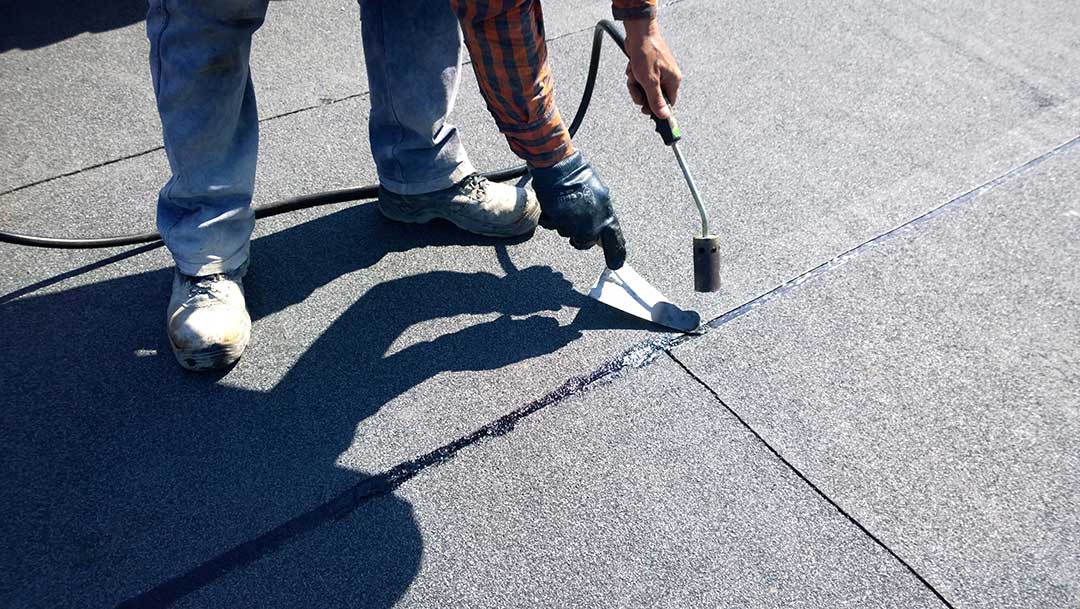
Early detection of these details is valuable. Even small openings can let water work its way into insulation, ceilings, and walls, leading to bigger repairs later.
What Local Factors Influence How Wind Affects Roofs?
In Williamson, the combination of open farmland, lakeshore breezes, and occasional Nor’easters shapes how wind hits local homes. The direction and strength of windstorms often shift with the seasons, putting different sides of a house at risk throughout the year.
Homes surrounded by mature trees may have added protection from low-level gusts, but also face the risk of falling branches. Newer neighborhoods with wide, open yards may lack barriers, exposing roofs to the maximum force of passing storms.
Building codes in the area have adapted over the years, but many older homes may not reflect the latest standards for wind resistance. Upgrades, such as updated fasteners, improved underlayments, and reinforced flashing, are often needed when re-roofing older properties.
How Can Residents Reduce Wind Vulnerabilities?
Preventative upkeep is the most dependable way for area homeowners to limit wind damage. Here are ways to build resilience:
- Replace or repair loose shingles, flashing, or vent boots promptly, using high-quality, weather-rated materials.
- Clean gutters and downspouts routinely to prevent backed-up water from exploiting loosened roofing.
- Trim nearby tree branches that could break off and strike the roof in a storm.
- After especially strong winds, perform a cautious visual assessment from the ground or attic, looking for new light, stains, or movement in roofing materials.
Large repairs or inspections involving steep roofs, ladders, or potential electrical hazards should always be approached with care. Some situations may require outside expertise to ensure safety.
What Are Common Misconceptions About Wind and Roof Damage?
A frequent local misunderstanding is that only “big storms” matter for roofs. In reality, repeated bouts of moderate wind may do incremental harm that only appears severe years later—especially where previous repairs or installations left hidden weaknesses.
Another misconception is that modern, factory-rated shingles or materials eliminate the risk. While product standards and installation methods have improved, any disruption to the original fit—loose, unsealed, or poorly nailed materials—can still become wind entry points.
Understanding these hidden risks is key for households aiming to avoid long-term issues linked to normal weather cycles in the area.
