
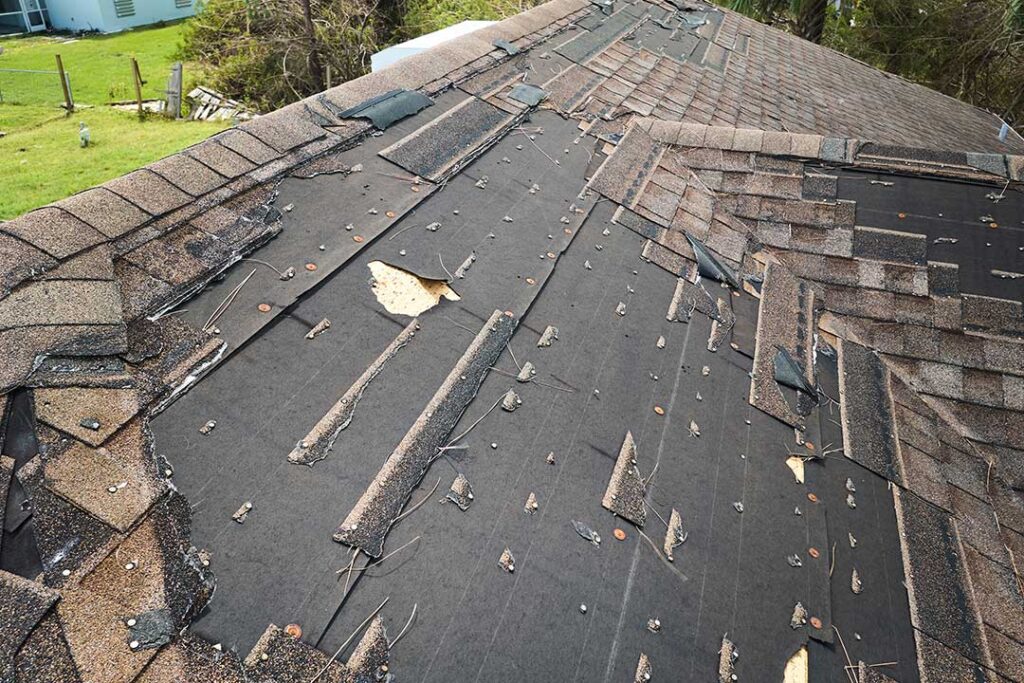
Roof decking is the structural layer beneath the underlayment and shingles. It is usually made from plywood or oriented strand board and serves as the surface attached to the roof framing. Although it is hidden from view, damaged decking can affect the roof’s strength, moisture resistance, insulation, and ability to support normal roofing materials.
For homeowners in Williamson, NY, seasonal rain, snow, ice, wind, and repeated freeze-thaw cycles can expose weaknesses in the decking over time. Some warning signs are visible from inside the home, while others appear only after shingles or underlayment are removed.
What does damaged roof decking look like from inside the house?
The most common indoor signs are water stains, sagging areas, soft spots, and changes in the shape of the ceiling or attic floor. These symptoms do not always mean the decking is the only problem, but they indicate that moisture may have reached the roof assembly.
Look for:
- Brown, yellow, or gray stains on ceilings and upper walls
- Bubbling, peeling, or discolored paint
- Damp insulation beneath the roof
- A musty smell in the attic
- Visible daylight through the roof boards
- Soft or spongy areas underfoot in an attic
- Rust on nails, fasteners, or metal roof components
- Sections of decking that appear dark, warped, or mold-stained
A single stain may come from an older leak that has already stopped. However, the roof structure should not be assumed to be dry simply because the ceiling feels dry. Water can travel along rafters, insulation, and roof boards before appearing indoors.
Can a sagging roof indicate a decking problem?
Yes. A localized dip or sag may indicate that roof decking has weakened after absorbing water. It can also point to a framing problem, excessive weight, poor ventilation, or a combination of factors.
A sagging area should be taken seriously when it is:
- Visible from the ground or attic
- Concentrated near a chimney, roof valley, skylight, or roof edge
- Getting larger over time
- Accompanied by interior stains or damp insulation
- Noticeable after heavy rain or snow
Roof decking typically loses strength after prolonged wetting. In some cases, the board edges swell and push against one another. In others, the panel gradually softens around a leaking fastener or roof penetration. A small surface dip does not always mean immediate structural failure, but walking on a visibly weakened area can be hazardous.
What roof leaks are most likely to damage the decking?
Leaks near penetrations and areas where water collects tend to create the greatest risk. Common locations include roof valleys, flashing transitions, plumbing vent openings, chimneys, skylights, and the lower edge of the roof.
The decking may also be affected by:
- Missing, cracked, or lifted shingles
- Failed flashing
- Ice dams that force water beneath shingles
- Blocked or poorly draining roof valleys
- Wind-driven rain entering beneath roofing materials
- Condensation caused by inadequate attic ventilation
- Long-term leaks that were hidden by insulation
In the winter climate experienced by local households, snow and ice can remain on the roof long enough for small defects to become recurring moisture pathways. Freeze-thaw movement may enlarge gaps around fasteners and flashing, allowing water to reach the decking more than once each season.
How can homeowners tell the difference between a roof leak and attic condensation?
Both problems can create damp decking, staining, and musty odors, but their patterns are often different. A roof leak usually produces moisture near a specific penetration or exterior defect. Condensation is more likely to appear across a broader area, especially on the underside of the roof near the attic’s colder sections.
Condensation may be linked to:
- Warm, moist household air escaping into the attic
- Inadequate intake or exhaust ventilation
- Unsealed openings around plumbing, wiring, or light fixtures
- Bathroom or kitchen exhaust venting into the attic
- Insulation that is missing, compressed, or improperly placed
During cold weather, condensation can frost the underside of the roof decking. When temperatures rise, that frost melts and may resemble a roof leak. Repeated condensation can still damage wood, encourage mold growth, and corrode fasteners, so it should not be dismissed as harmless moisture.
Are soft spots on roof decking dangerous?
Soft or flexible decking can be a safety concern because the wood or panel material may no longer support a person’s weight reliably. This is particularly important in attics, where insulation may conceal weakened areas.
Do not step onto a visibly damaged section simply to investigate it. Roof decking can fail around a small-looking wet area, especially where the material has rotted along panel edges or near a roof penetration. Use a stable attic access point and observe from a safe position. If there is active water, exposed wiring, structural movement, or a large sag, leaving the area is the safest choice.
Does an old roof automatically need new decking?
No. Age alone does not prove that roof decking has failed. Many older roofs still have sound, dry decking, while relatively newer roofs may contain damaged sections if they have experienced leaks, poor ventilation, or storm exposure.
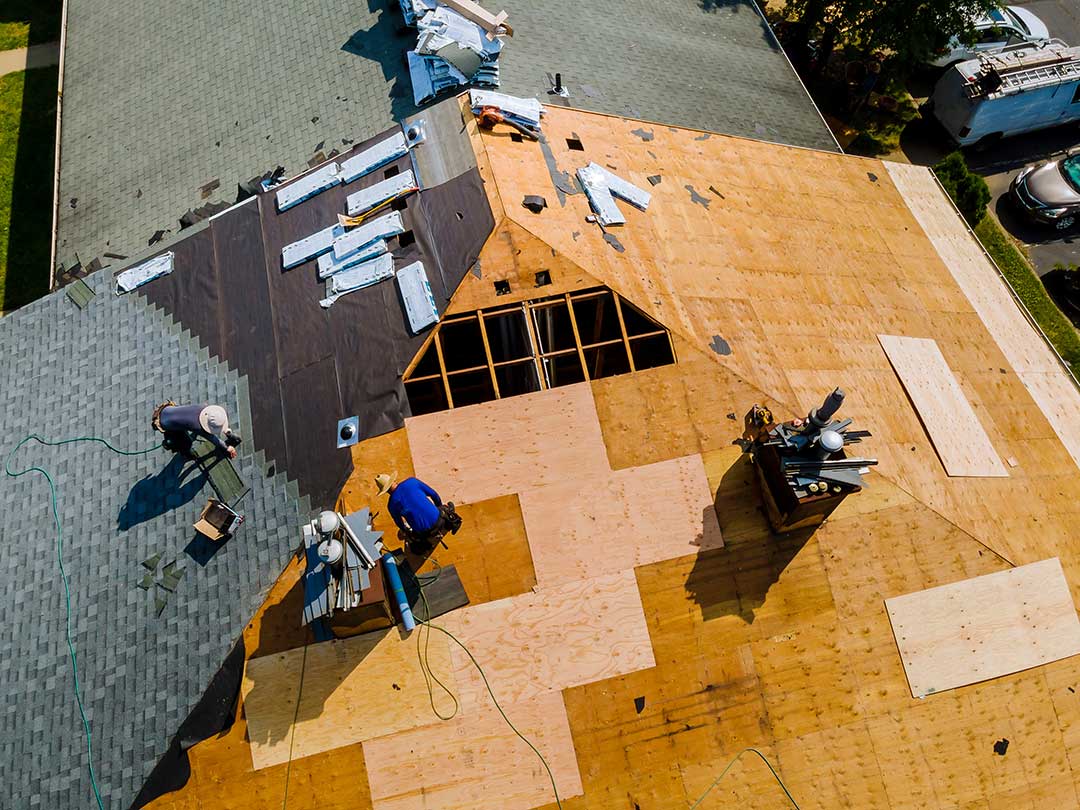
Decking condition is usually evaluated during roofing work after the shingles and underlayment are removed. Sound decking is generally firm, dry, and securely attached. Damaged decking may be:
- Soft when pressed
- Delaminated or swollen
- Split around fasteners
- Rotten at edges
- Warped enough to prevent a flat roofing surface
- Stained and weakened by repeated moisture
Replacing only the affected sections may be appropriate when the damage is limited. More extensive replacement may be necessary when moisture has spread across several panels or when the existing surface cannot provide reliable support.
What should homeowners check after a storm?
After strong wind, heavy rain, or significant snow, inspect the attic and upper ceilings when conditions are safe. The goal is to find early evidence of moisture before it spreads into insulation, framing, drywall, or finishes.
Useful observations include:
- New ceiling stains
- Wet or compressed insulation
- Drips or damp nails
- Shingles visible from the attic
- Light coming through roof boards
- Freshly displaced roofing material seen from the ground
- Water collecting near roof valleys or exterior walls
Do not climb onto the roof during wet, icy, windy, or snowy conditions. A roof can remain slippery even when it appears dry from the ground. Photographs taken from a safe location can help document changes and distinguish a new issue from an older stain.
When does roof decking damage require urgent attention?
Urgent evaluation is warranted when the roof is visibly sagging, water is actively entering the home, a ceiling is bulging, or a large area of decking appears exposed or collapsed. Electrical fixtures near water, strong structural movement, and widespread attic moisture also raise the risk.
Until the source is addressed, containers can catch drips and movable belongings can be relocated. Do not puncture a bulging ceiling or walk across weakened decking. If water is near electrical equipment, avoid the area and follow appropriate electrical safety precautions.
Minor staining may allow time for careful investigation, but hidden wood damage can worsen after repeated wetting. The condition of the decking matters not only for stopping a leak but also for providing a stable, even base for the roofing system above it.
