
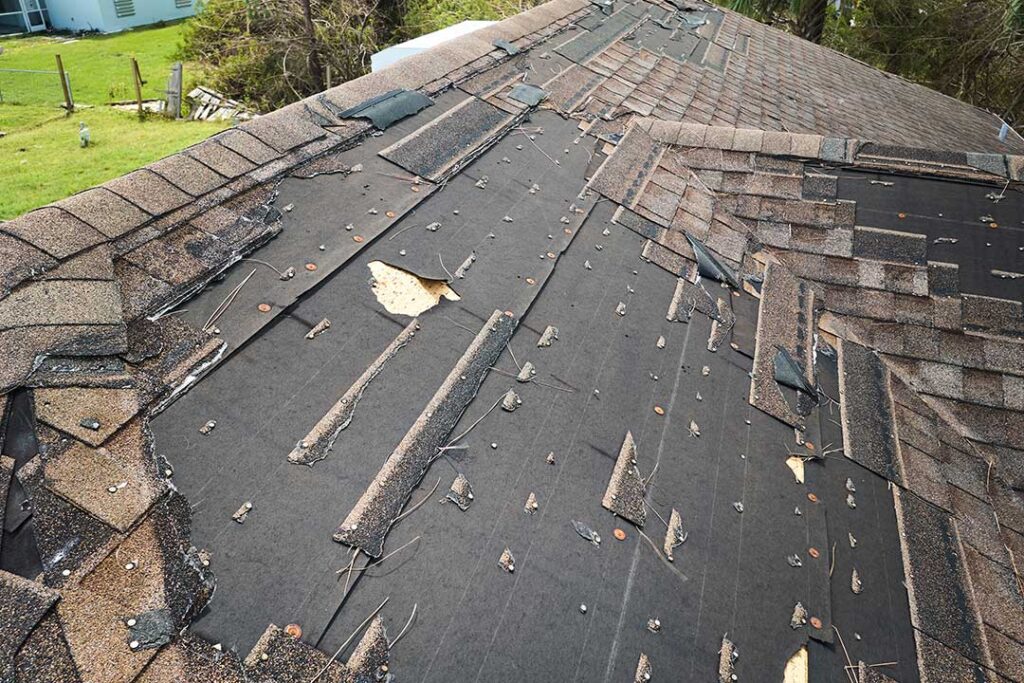
Roof stains are common on homes in Williamson, NY, especially after long periods of rain, snow, humidity, or limited sunlight. A dark mark on shingles may be harmless surface growth, but it can also signal trapped moisture, a failing flashing detail, or a leak that has reached the roof deck or attic.
The safest approach is to identify what the stain may represent before trying to clean or cover it.
What do roof stains usually mean?
Most roof stains come from algae, moss, lichen, dirt, rust, or moisture-related damage. The appearance, location, and texture of the mark can provide useful clues.
- Dark gray or black streaks: Often caused by algae or airborne debris. These streaks commonly follow the slope of asphalt shingles.
- Green, fuzzy, or raised growth: Usually moss. Moss holds moisture against roofing materials and can gradually loosen shingle edges.
- Pale, crusty patches: May indicate lichen, mineral deposits, or weathered roofing material.
- Brown or yellow marks: Could be rust, decaying organic material, or water staining.
- Interior ceiling stains: Usually point to moisture entering somewhere above, although the entry point may be several feet away from the visible mark.
A stain does not always mean the roof is leaking. However, a stain that is spreading, accompanied by damaged shingles, or visible inside the attic deserves closer attention.
How can algae streaks be distinguished from a leak?
Algae streaks are generally flat, spread across the exposed surface of shingles, and follow the direction of water runoff. They are usually most noticeable on roof sections that receive less direct sunlight.
A leak is more likely when there is:
- Damp or discolored wood in the attic
- Wet insulation
- Peeling paint or bubbling drywall near the ceiling
- A musty odor
- Water marks around chimneys, vents, skylights, or roof valleys
- Staining that becomes worse after rain or thawing snow
Roof leaks do not always appear directly below the damaged area. Water can travel along rafters, roof sheathing, insulation, or ceiling materials before becoming visible indoors. For that reason, the location of an interior stain should not automatically be treated as the exact source.
Why are roof stains common in this area?
The local climate creates several conditions that encourage staining. Seasonal rain, winter snow, freeze-thaw cycles, and humid summer weather can keep roofing materials damp for extended periods. Trees near a home may also shade roof surfaces and drop leaves, needles, or small branches.
North-facing roof slopes and areas beneath overhanging trees often dry more slowly. Gutters that remain full of leaves can add to the problem by allowing water to back up near the roof edge. In older homes, uneven roof planes or aging ventilation systems may create additional areas where moisture lingers.
These conditions do not automatically indicate defective roofing. They do mean that roof surfaces should be observed regularly, particularly after winter and during periods of heavy rainfall.
Should roof stains be cleaned?
Surface algae and light discoloration can often be cleaned, but the method matters. Aggressive cleaning can remove protective granules from asphalt shingles and shorten their useful life.
Avoid:
- Pressure washing
- Wire brushes
- Abrasive powders
- Scraping that lifts shingle edges
- Walking unnecessarily on steep or wet roofing
- Pouring strong chemicals onto plants, siding, or paved surfaces
A low-pressure cleaning method designed for roofing materials is less likely to cause damage. Any cleaning solution should be used according to its label, kept away from eyes and skin, and managed so runoff does not harm landscaping or enter storm drains.
Roof cleaning is not a good do-it-yourself project when the roof is steep, icy, fragile, or difficult to access safely. Falls are a serious risk, and wet shingles can be unexpectedly slippery.
Can bleach remove roof stains?
Bleach may lighten algae and organic staining, but improper use can damage vegetation, corrode metal, discolor exterior materials, and create hazardous runoff. Strong solutions may also produce a temporary cosmetic improvement without addressing the moisture conditions that allowed the growth to return.
The larger issue is not simply whether a chemical removes the mark. It is whether the cleaning process protects the shingles, gutters, siding, soil, and nearby plants. A mild, roof-compatible approach is generally safer than using a concentrated household cleaner.
Never mix bleach with ammonia, acids, or other cleaning products. Dangerous fumes can result.
What should be checked before cleaning?
A visual inspection from the ground can reveal whether the staining is isolated or part of a larger roofing problem. Use binoculars if needed rather than climbing onto the roof.
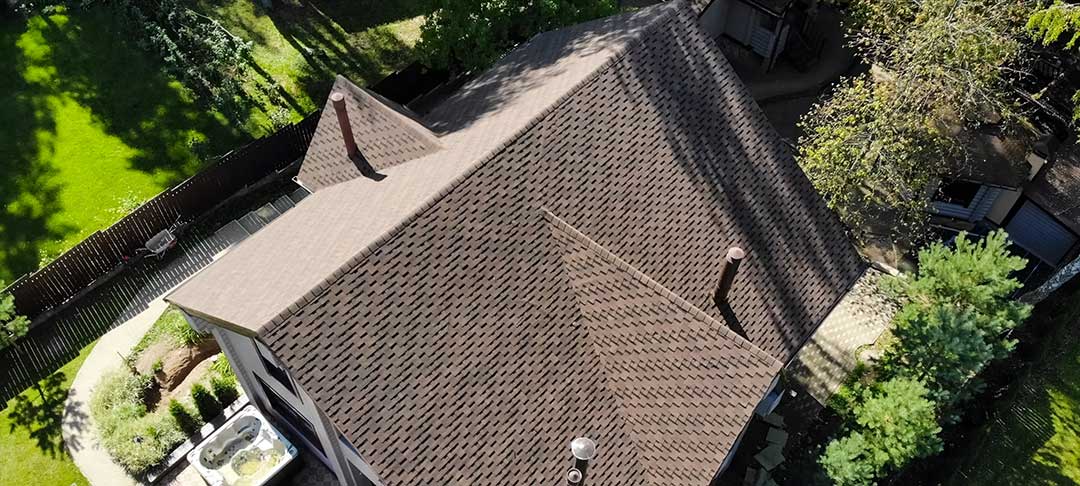
Look for:
- Missing, cracked, curled, or lifted shingles
- Loose flashing around roof penetrations
- Sagging roof lines
- Damaged ridge caps
- Overflowing or detached gutters
- Moss growing beneath shingle edges
- Exposed underlayment or roof decking
- Stains near chimneys, vents, skylights, or wall intersections
Inside the attic, check for daylight through the roof deck, damp wood, rusted fasteners, compressed insulation, or signs of previous water entry. Inspection should take place only from a stable, dry area with adequate lighting.
How can roof stains be prevented?
Prevention focuses on keeping roof surfaces dry and allowing water to drain properly.
Useful maintenance steps include:
- Clear leaves and organic debris from gutters and roof valleys.
- Trim branches that rub against the roof or create heavy shade.
- Keep attic insulation and ventilation in good condition.
- Watch for blocked soffit vents or damaged vent covers.
- Repair loose flashing before water reaches the roof deck.
- Keep moss from spreading beneath shingle edges.
- Inspect after major storms, heavy snow, and strong wind.
- Check ceilings and attic spaces for new moisture marks.
Some asphalt shingles include protective granules intended to resist algae growth. These can slow staining but do not prevent it indefinitely, particularly in shaded or damp conditions.
When is a roof stain a serious warning?
A stain should be treated as a possible repair issue when it is paired with active moisture, structural damage, or rapid change. Immediate attention is especially important if water is entering living areas, electrical fixtures are nearby, or the ceiling is sagging.
During an active leak, place a container beneath dripping water and move furniture or valuables away from the area. Do not puncture a bulging ceiling; the material may be holding water, and disturbing it can make the damage worse.
If severe weather has caused widespread damage, avoid climbing onto the roof or walking beneath visibly unstable areas. Safety takes priority over documenting every defect.
A clean-looking roof can still leak, and a stained roof can remain watertight. The most useful distinction is whether the mark is limited to surface discoloration or accompanied by evidence that water is moving through the roofing system. In the community, routine observation after winter, storms, and extended wet periods can help reveal problems before a small stain becomes interior damage.
