

What Is Roof Decking and Why Is It So Important?
Roof decking is the solid surface, usually made of wood panels, that is installed on top of your home's framing and beneath the underlayment and shingles. It serves as the backbone of a roofing system, supporting the weight of roofing materials, people working on the roof, and the elements. Without sturdy decking, even the best shingles will fail to protect a house from water leaks, wind, and heavy snow.
In the Williamson, NY climate, where winter brings significant snowfall and moisture, strong and healthy roof decking plays a critical role in protecting local homes. Soft, rotted, or poorly installed decking can lead to expensive repairs down the road.
What Materials Are Commonly Used for Roof Decking?
Most residential roof decking in the area is built with wood panels, with the two most common options being:
- Plywood: Durable, strong, and resists warping when exposed to moisture.
- Oriented Strand Board (OSB): Composed of wood strands and adhesives, OSB is cost-effective and widely used, but is more susceptible to water damage if not properly protected.
Some older homes in the region may have solid wood planks, especially if they were built before sheet goods were common. Each material has its own strengths and weaknesses relating to durability, cost, and moisture resistance.
How Can You Tell If Your Roof Decking Needs Attention?
The clearest indication comes from signs of a roof leak or visible sagging of the roof surface. However, other red flags specific to decking include:
- A spongy or springy feel when walking on the roof
- Visible water stains or mold in the attic
- Warped, soft, or discolored wood panels
- Persistent musty odors inside the home, especially after rainfall
If a roof is being replaced, it's common for hidden problems with decking to become apparent only after the shingles come off.
Why Does Decking Fail in Williamson?
In the local climate, roof decking problems are usually caused by excess moisture and temperature swings. Heavy snow loads, as well as repeated freeze-thaw cycles, can force water beneath the roofing materials. Common causes of failure include:
- Ice dams forming at roof edges and causing slow leaks
- Faulty or missing attic ventilation, leading to trapped moisture and condensation
- Poorly maintained flashing or clogged gutters and downspouts
- The age and type of materials used in earlier construction practices
Decking that stays damp for long periods becomes vulnerable to rot, mold, and structural weakening.
What Are the Local Building Code Requirements for Decking?
In this region, local building codes generally require that roof decking be solidly fastened, made of code-approved materials, and free from rot or significant water damage. Thickness requirements are often based on the type of roofing material being installed. For most asphalt shingle roofs, typical code minimums specify at least 7/16" thick plywood or OSB.
If an inspector finds that any portion of the decking is compromised, repairs or replacements are required before new roofing materials can be installed. Area homeowners should also be aware that older homes may not meet current standards, so projects involving the entire roof often require upgrading the decking to comply with today's codes.
Can Decking Be Repaired, or Does It Need Full Replacement?
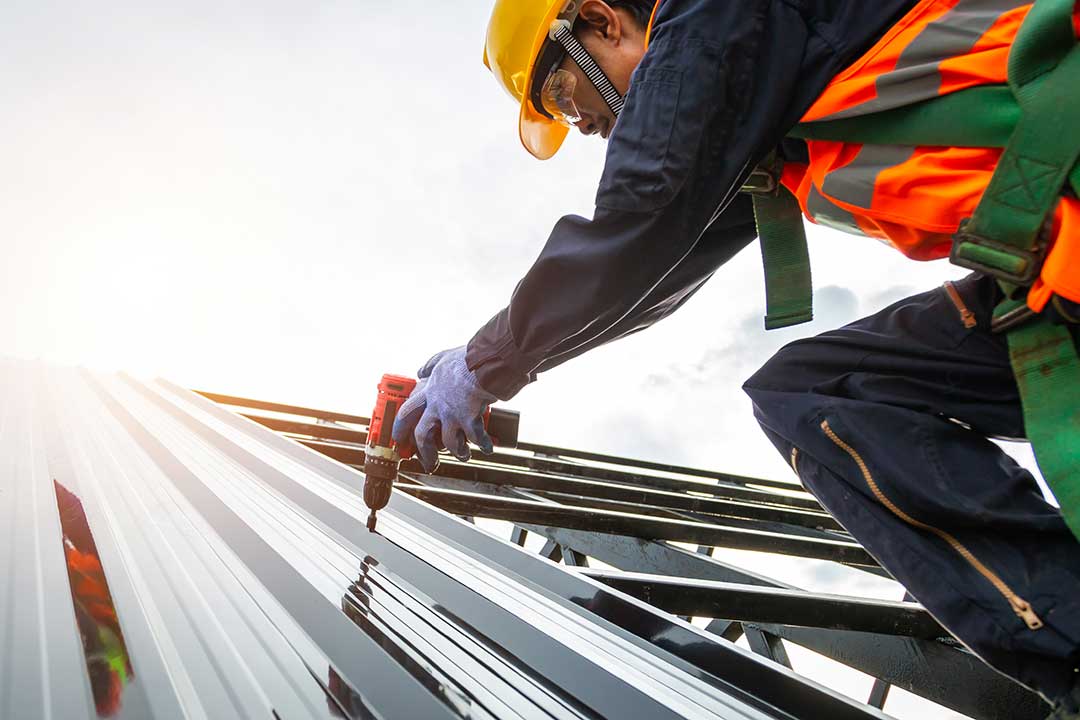
Not all issues require a total replacement. If damage is localized—such as a small area affected by a past leak—only the broken sections may need to be cut out and replaced with new wood. However, if more than a quarter of the decking is damaged or the panels are delaminated (layers separating), full replacement is often the safest option for long-term security.
Replacing or repairing roof decking is a job that exposes people to fall hazards and, occasionally, hidden dangers like old nails or moldy wood. In these instances, if safety is a concern or there is a risk of disturbing hazardous materials, further guidance may be necessary.
What Maintenance Helps Keep Decking in Good Shape?
Maintaining a dry, well-ventilated attic is the key to extending the life of roof decking. Practical tips for local residents include:
- Ensure attic vents are open and unobstructed, especially after heavy snowfall
- Regularly check for and fix minor roof or flashing leaks before they cause hidden damage
- Keep gutters and downspouts clear to prevent water backup
- Trim nearby tree branches that could rub or damage roofing during storms
- Check for signs of animal entry or nests, as these can cause moisture buildup and damage wood
Routine visual inspections from the ground, combined with an occasional peek into the attic, can help spot problems early.
What Are Common Myths or Misconceptions?
A few misconceptions persist about roof decking:
- "New shingles will fix all problems." New shingles installed over bad decking will not solve underlying issues and can lead to repeat leaks.
- "All wood panels are basically the same." OSB and plywood react differently to moisture, which is especially relevant in areas with wet weather.
- "Roof decking never needs attention." Like any structural component, decking can wear out or become compromised over decades of exposure.
Accurate information helps homeowners make better decisions and avoid preventable repairs.
