

How Does Humidity Interact with Common Roofing Materials?
Humidity affects roofing materials by changing moisture levels in and around the roof. Throughout Williamson, NY, where humid summers and damp springs are typical, this atmospheric moisture can influence the long-term performance and appearance of many types of roofing.
For example:
- Asphalt shingles may absorb moisture, leading to warping or loss of granules over time.
- Wood shakes or shingles can swell, crack, or foster mold in persistent humidity.
- Metal roofs may experience condensation that promotes rust if not properly ventilated.
Most modern roofing materials are designed with moisture resistance in mind. However, even the most durable products will age differently depending on how much moisture they regularly encounter and how well local installations accommodate fluctuating humidity levels.
What Are the Visible Signs of Humidity Damage on a Roof?
Humidity-related roof issues are often visible but can sometimes be subtle. Households in the region may notice:
- Curling or buckling shingles, especially after periods of damp weather
- Dark patches, algae streaks, or moss growth on shaded sections
- Wood components showing signs of rot, musty odors, or softness underfoot
- Metal fasteners or flashing exhibiting early stages of corrosion
Neglecting these indicators for long periods can shorten roof life, so it’s helpful to spot and address signs early.
Why Might High Humidity Lead to More Roof Algae and Moss?
High humidity creates prime conditions for algae and moss to thrive—especially on roofs with minimal sun exposure. In the city’s humid summers and tree-lined neighborhoods, shaded roofs may remain damp long after rain or dew. Algae appear as black streaks, while moss looks like green or brown clumps.
Moss traps additional moisture against shingles, accelerating wear and gradually lifting shingle edges. Algae itself is mostly cosmetic but often signals underlying moisture retention, which can shorten the functional life of roofing materials.
Can Humidity Lead to Leaks and Structural Issues?
While humidity alone doesn’t directly cause leaks, its effects can weaken your roof’s defenses. Over time, moisture absorbed or trapped by under-ventilated attics, saturated insulation, or warped materials can:
- Loosen roofing nails or compromise adhesives
- Deteriorate roof decking or rafters, especially in older homes
- Create condensation inside attic spaces, potentially leading to mold growth
In some homes, poorly sealed attic hatches or bathroom vents can channel indoor humidity upward, compounding issues caused by outdoor conditions.
How Does Proper Ventilation Help Manage Humidity?
Good roof ventilation allows moist air to escape from attic spaces, reducing the risk of trapped humidity. In Williamson, attic vents and ridge vents are common strategies to help balance indoor and outdoor air. When a roof isn’t ventilated correctly, summer humidity can lead to:
- Heat buildup, softening asphalt shingles or warping wood
- Trapped moisture, which encourages rot and mold
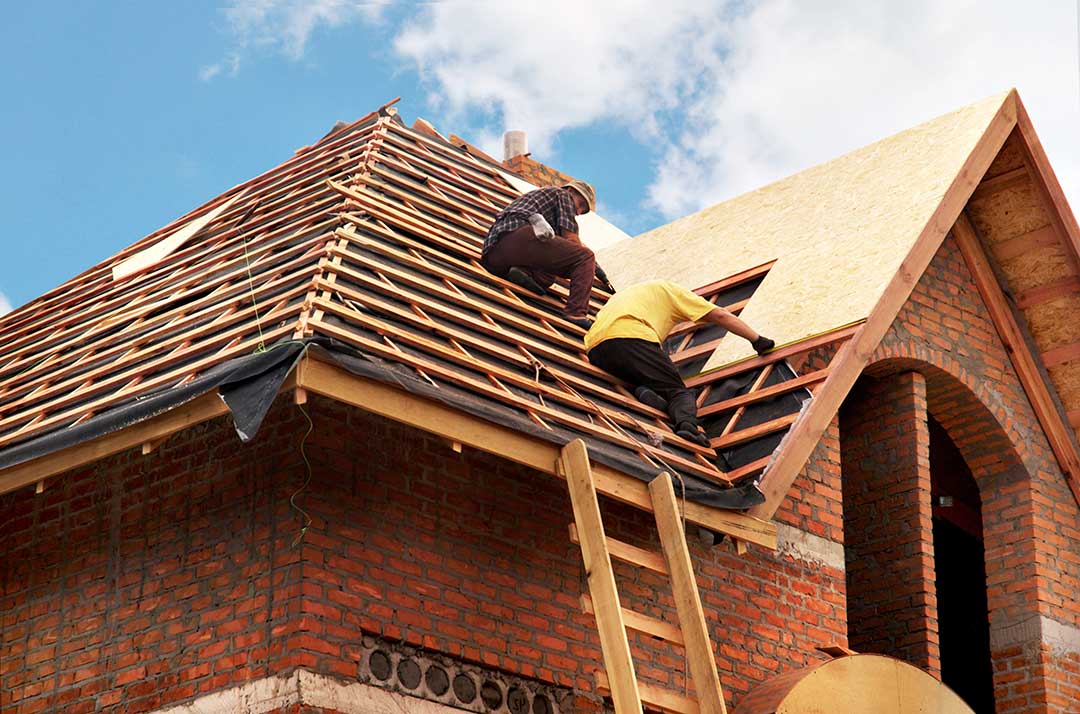
Proper ventilation is especially crucial in areas where homes see a mix of cold winters and damp, warm summers, as is typical in the region.
Are Certain Roofing Materials Better for Humid Climates?
Some materials naturally cope better with fluctuating humidity than others. Local residents often ask about the best choices:
- Metal roofs, if well-coated and maintained, resist both water absorption and mold
- Asphalt shingles with algae-resistant granules may last longer under humid conditions
- Synthetic or composite options can offer durable performance without moisture-related swelling
Each material comes with unique installation and maintenance needs. Houses surrounded by trees or in particularly damp areas may benefit from specific shingle types or moisture barriers—details that are worth considering when repairing or replacing a roof.
What Maintenance Helps Prevent Humidity Damage for Area Households?
Small preventive steps can greatly reduce humidity’s effect on roofs in the city:
- Clear debris and overhanging branches to improve airflow and reduce moisture retention
- Inspect attics for signs of dampness, condensation, or musty smells, especially after storms
- Clean gutters and downspouts to prevent water pooling near the roof edge
- Look for early staining or discoloration and address minor moss or algae before it spreads
Regular walks around the home’s exterior after heavy rain or during humid spells can help spot issues early and avoid more severe problems later.
